
What Is Pharmaceutical Distribution? How the Supply Chain Works
What pharmaceutical distribution is, how the supply chain moves a medicine from factory to pharmacy, and the value a distributor adds along the way.
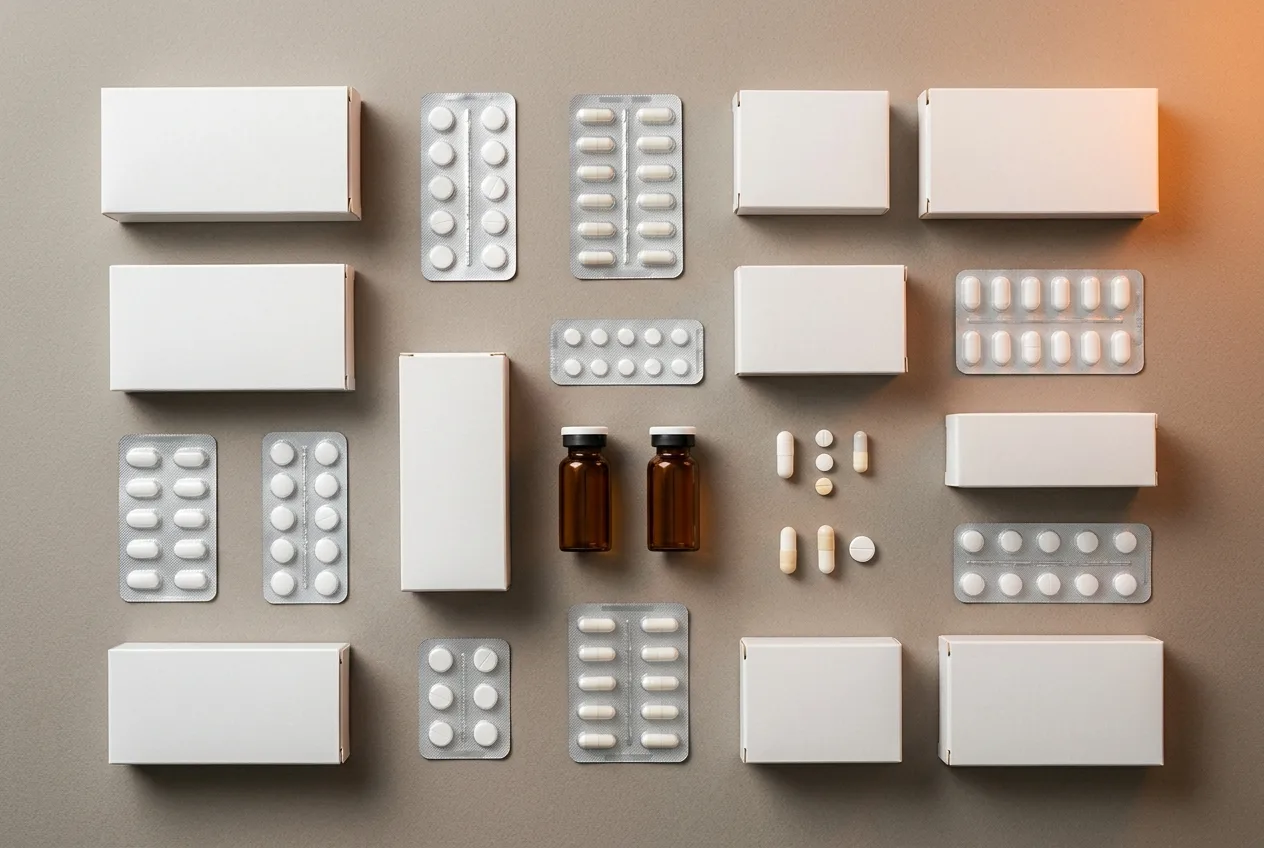
What is pharmaceutical distribution?
Pharmaceutical distribution is the set of activities that move a finished medicine or medical product from the manufacturer to the point where it is dispensed or used, while keeping its quality, safety, and traceability intact the entire way. It covers procurement, importing, storage, temperature control, regulatory handling, order fulfillment, and last-mile delivery to hospitals, clinics, and pharmacies. A distributor is the regulated middle layer that buys product, holds inventory, and supplies dispensers, so a manufacturer in one country can reach thousands of care points in another without running its own warehouse and delivery fleet in every market.
The reason this layer exists is risk. According to the World Health Organization, storage and distribution touch a product at many vulnerable stages, including purchasing, repackaging, relabeling, transport, and handoffs between parties. Each handoff is a chance for a temperature excursion, a mix-up, theft, or the entry of a counterfeit. The distributor's job is to compress those risks into one accountable, audited operation.
How does the pharmaceutical supply chain work?
The pharmaceutical supply chain is a chain of custody, not just a delivery route. Product passes through a defined sequence of roles, and at each step someone is legally responsible for its condition and its paperwork. The core flow is straightforward:
- Manufacturer. Produces the finished medicine or device under Good Manufacturing Practice and releases batches against quality specifications.
- Wholesaler or distributor. Imports or buys the product, stores it under validated conditions, and supplies downstream customers. This is the layer Sun Drug Store operates in.
- Dispenser. The hospital pharmacy, retail pharmacy, or clinic that hands the product to the patient or uses it in care.
The US Food and Drug Administration frames this as a network of "trading partners" whose interactions are governed so that an unbroken record follows the product. Under the Drug Supply Chain Security Act, a wholesale distributor is defined as a party (other than the manufacturer) engaged in distributing a drug to someone other than the consumer or patient, and such distributors must be licensed and identifiable as authorized trading partners. In plain terms: only vetted, traceable hands are supposed to touch the product between the factory and the pharmacy counter.
That governance matters because the stakes are concrete. The WHO estimates that roughly 1 in 10 medical products in low- and middle-income countries is substandard or falsified, a problem driven in large part by weak or informal supply channels. A disciplined distribution layer is one of the main defenses against that failure rate.
What does a pharmaceutical distributor actually do?
A distributor adds value by absorbing the operational and regulatory burden that sits between a manufacturer and a care provider. The work breaks down into a handful of distinct functions, and each one is a reason a hospital or an overseas manufacturer chooses to work through a distributor rather than ship direct.
Warehousing and inventory
A compliant distributor runs validated warehouse space with controlled temperature and humidity, segregation of quarantined and released stock, pest control, and security. The WHO good storage and distribution practices guidance treats the warehouse as a quality-controlled environment, not just a holding shed: receipts, storage, issues, and shipments all have to be documented so any batch can be traced and recalled. For a buyer, this means a single local source of stock with batch and expiry visibility, rather than waiting weeks on an international order.
Cold chain and temperature control
Many products only stay effective inside a narrow temperature band. Most vaccines, for example, must be held between +2°C and +8°C at every storage and transport point, and excursions damage them invisibly, with no change in appearance. Maintaining that unbroken cold chain through storage, vehicles, and delivery is one of the hardest parts of distribution, especially in a hot climate. We cover this in depth in our guide to the pharmaceutical cold chain.
Regulatory and compliance handling
A distributor manages product registration, import permits, and the documentation that regulators require before a medicine can legally circulate. In Qatar, that means working with the Ministry of Public Health on registration and compliance. This is also where Good Distribution Practice lives: as the PIC/S guidance describes, a GDP-compliant distributor maintains a quality system, a designated responsible person, traceability, and a working recall procedure. Our Good Distribution Practice explainer breaks down what GDP requires and why buyers should ask for it.
Demand planning and last-mile delivery
Finally, a distributor forecasts demand, holds buffer stock against shortages, and runs the delivery network that gets product to each account on time and in good condition. For a manufacturer entering a new market, this last-mile reach is often the whole point: the difference between a registered product and one that actually reaches patients.
Distributor vs wholesaler: what is the difference?
A wholesaler and a distributor both sit between manufacturer and dispenser, but the terms describe different depths of involvement. The simplest way to read them:
- Wholesaler. Emphasis on the buy-and-resell transaction. A wholesaler purchases product in volume and resells it to pharmacies or other downstream buyers, often across many brands, with limited commitment to any one manufacturer's market success.
- Distributor. Emphasis on the end-to-end service relationship. A distributor typically takes on more of the value chain: importing, regulatory registration, marketing and sales, cold chain logistics, and named accounts, frequently as the appointed local partner for a manufacturer's brands.
In regulation, the two are often grouped together. Both the FDA and PIC/S frameworks apply the same Good Distribution Practice obligations to anyone storing and moving medicines, regardless of label. The practical distinction for a buyer is scope of responsibility: a pure wholesaler sells you stock, while a full distributor stands behind the product's journey, its registration, and its availability over time.
The end-to-end distribution model: importing, marketing, and distribution
The strongest distributors operate an integrated model rather than a single function. It usually has three connected stages.
First, importing. The distributor sources branded products from manufacturers abroad, manages the regulatory registration and customs clearance, and brings the stock into a central, compliant warehouse. Sun Drug Store, for instance, imports from more than 12 countries into a Doha warehouse and handles registration through the Qatar Ministry of Public Health.
Second, marketing and sales. Registered product still has to find its market. This stage covers building relationships with hospitals, clinics, and pharmacy chains, educating prescribers and procurement teams, and managing the commercial side so the right products reach the accounts that need them.
Third, distribution. The physical and logistical work of fulfilling orders, maintaining the cold chain, and delivering nationwide, with the documentation trail intact. When importing, marketing, and distribution sit under one accountable partner, a manufacturer gets a single point of contact for an entire market, and a hospital buyer gets a local, regulated source with reliable availability.
This integrated model is the category Sun Drug Store works in: a Qatar-based importer, marketer, and distributor of branded pharmaceuticals, medical devices, supplements, and medicated cosmetics. If you are weighing partners, our guide to choosing a pharmaceutical distributor in Qatar lays out the questions worth asking.
Talk to a distribution partner in Qatar
If you are a hospital or pharmacy buyer looking for a reliable local source, or a manufacturer trying to reach the Qatari market, the model above is exactly what a full-service distributor provides. Sun Drug Store can help with registration, importing, and nationwide distribution across the State of Qatar. Reach out through our contact page to start a conversation.
Sources and further reading
- World Health Organization, Good storage and distribution practices for medical products (WHO Technical Report Series 1025, Annex 7): who.int/publications/m/item/trs-1025-annex-7
- World Health Organization, Substandard and falsified medical products (fact sheet): who.int/news-room/fact-sheets/detail/substandard-and-falsified-medical-products
- US Food and Drug Administration, Drug Supply Chain Security Act (DSCSA): fda.gov/drugs/drug-supply-chain-integrity/drug-supply-chain-security-act-dscsa
- PIC/S, Guide to Good Distribution Practice for Medicinal Products: picscheme.org/docview/3450
- Pan American Health Organization / WHO, Cold Chain: paho.org/en/immunization/cold-chain
- Qatar Ministry of Public Health: moph.gov.qa
Frequently Asked Questions
What is the difference between a pharmaceutical distributor and a pharmacy?
A distributor supplies medicines in volume to pharmacies, hospitals, and clinics, and never sells directly to patients. A pharmacy is the dispenser at the end of the chain, the regulated point where a medicine is handed to the patient. The distributor moves and stores product under Good Distribution Practice, while the pharmacy is responsible for dispensing it correctly to the individual.
Why do manufacturers use distributors instead of selling directly?
Selling directly into a foreign market means building local warehousing, regulatory registration, a sales force, and a delivery network from scratch. A distributor already has all of that in place, plus the licenses and relationships needed to operate legally. For most manufacturers it is faster, cheaper, and lower-risk to appoint a local distributor than to replicate that infrastructure in every country they want to reach.
What is Good Distribution Practice (GDP)?
Good Distribution Practice is the set of minimum standards a distributor must meet to keep medicines safe and traceable throughout the supply chain. According to PIC/S guidance, it requires a documented quality system, a designated responsible person, proper storage and transport conditions, traceability, and an effective recall procedure. Buyers should confirm a prospective distributor follows GDP before placing orders.
How are temperature-sensitive medicines kept safe during distribution?
They are kept inside a validated cold chain, an unbroken sequence of temperature-controlled storage and transport. Most vaccines, for example, must stay between +2°C and +8°C from the moment they leave the manufacturer until they are administered. Distributors use monitored refrigeration, insulated transport, and continuous temperature logging because heat or freezing can ruin a product with no visible sign of damage.
Is pharmaceutical distribution regulated?
Yes. Distributors must be licensed and are held to Good Distribution Practice standards published by bodies such as the WHO and PIC/S, and in many markets they must be identifiable as authorized trading partners. In Qatar, distribution and product registration are overseen by the Ministry of Public Health. Regulation exists largely to keep substandard and falsified products, which the WHO estimates make up about 1 in 10 medical products in low- and middle-income countries, out of the legitimate supply chain.
What types of products do pharmaceutical distributors handle?
Beyond prescription medicines, distributors commonly handle over-the-counter products, dietary supplements, herbal products, medicated cosmetics, medical devices, surgical equipment, and medical consumables. Each category can carry its own registration rules and storage requirements. A full-service distributor manages the appropriate handling and compliance for every product type it carries.